Takoyaki Icon: A Simple Fastfood Symbol for Creative Embroidery Projects
As an experienced embroidery designer and product reviewer, I always approach a new design with a critical eye. Takoyaki Icon is no exception. At first glance, it’s a charming and stylized fastfood symbol that feels like a perfect fit for casual or playful embroidery projects. Its clean lines and minimal detail suggest it will stitch well across a range of applications, but let’s dig into how it actually performs in real-world use.
A Fresh and Friendly First Impression
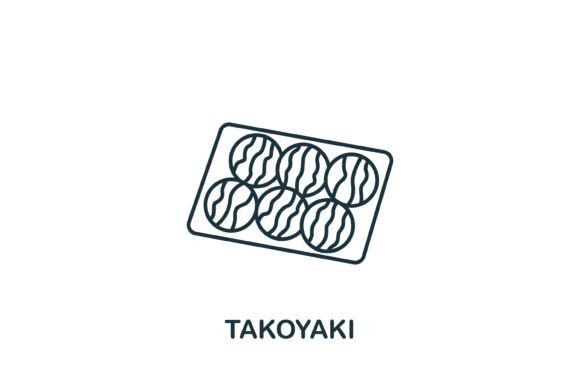
The Takoyaki Icon has a warm, approachable visual personality. It uses soft curves and a minimalist layout to represent the beloved Japanese street food—takoyaki—in a way that’s instantly recognizable without being cluttered. The design doesn’t try too hard; it relies on clear shape language and subtle shading to convey its character. This makes it ideal for designs where you want to evoke comfort, fun, or cultural flair without overwhelming the viewer.
What stands out immediately is how versatile the icon feels. As a vector graphic, it’s easy to scale and adapt, which is essential when working with different fabric types and embroidery machines. The simplicity of the lines suggests it won’t require overly dense stitching, making it more forgiving on delicate or stretchy materials compared to intricate patterns.
Real-World Application: Custom Tote Bags and More
I recently considered using Takoyaki Icon for a custom tote bag design intended for a boutique selling handmade, culturally inspired gifts. The tote was meant to feature a few small symbols representing local foods from around the world. Takoyaki Icon stood out as a strong candidate because of its clarity and balance between detail and simplicity.
In this scenario, the icon would likely be stitched in satin stitch or running stitch to maintain its crisp edges while keeping the overall design lightweight. I found that the design adapts well to both black-and-white and color thread schemes, which gives room for creativity depending on the fabric and target audience.
For sweatshirts or t-shirts, especially those aimed at kids or young adults, Takoyaki Icon could serve as a decorative accent. Its cheerful look pairs nicely with other food-themed elements or even holiday motifs like Christmas cookies or sushi rolls. It works particularly well in digital embroidery file form, allowing for quick placement and adjustments within your design software.
Where to Use It Carefully
While Takoyaki Icon is a solid choice for many embroidery projects, there are some scenarios where caution is needed. For instance, if you're planning to embroider on a very small hoop size—like for embroidered patches or cap accents—the details may become lost. I recommend testing the design on scrap fabric before committing to production, especially if you’re aiming for a tiny version.
Textured fabrics can also affect how the icon appears after stitching. If you're using it on denim, felt, or linen, the texture might soften the sharpness of the lines. On the flip side, thin or stretchy fabrics such as rayon or spandex could cause distortion unless proper stabilizer is used underneath.
Dark fabric backgrounds can challenge the visibility of light-colored threads, so make sure to choose thread colors that contrast well. The same goes for layered garments or products that will see frequent washing, like tea towels or baby clothes. In these cases, stitch density and fabric stability become even more important to ensure the design holds up over time.
Embroidery Designer Notes
- Test on Scrap Fabric: Before moving to final products, always test Takoyaki Icon on a piece of the same fabric you plan to use. This helps you spot any potential issues with stitch behavior or fabric distortion.
- Check Thread Color Contrast: Especially on dark or textured fabrics, high-contrast thread colors will help the design stand out and retain its visual appeal.
- Review Stitch Density: Since the design is relatively simple, it shouldn’t need excessive fill stitch, but review the pattern to ensure it’s not too loose for the application.
- Confirm Hoop Size: If you plan to shrink the design significantly (e.g., for a patch), double-check whether the original hoop size supports that adjustment without losing integrity.
- Inspect Small Details: Look closely at corners and fine lines in the design to ensure they don’t break during stitching, especially when resizing.
- Use Proper Stabilizer: Depending on the fabric, a tear-away or cut-away stabilizer may be necessary to keep the design looking neat and professional.
- Test in Black and White Mockups: Sometimes, the impact of a design becomes clearer when viewed without color, helping you assess its form and structure more accurately.
- Compare Light and Dark Backgrounds: This helps determine if the design needs additional outlines or background stitches for better visibility.
- Confirm Licensing: If you're using Takoyaki Icon for commercial embroidery or digital product previews, always verify the licensing terms to avoid legal issues later.
Visual Appeal and Project Value
One of the biggest strengths of Takoyaki Icon is its ability to enhance visual appeal without demanding too much attention. It adds just enough character to personalize a product without becoming distracting. Whether used as part of a larger design set or as a standalone element, it contributes to a cohesive and thoughtful presentation.
This kind of subtle charm is especially valuable for craft businesses and Etsy sellers who want their handmade products to feel curated and intentional. A well-placed Takoyaki Icon can elevate a basic tote bag into something memorable or give a kitchen towel a whimsical touch that sets it apart in a craft fair lineup.
Customer Trust and Brand Consistency
When customers see a design like Takoyaki Icon, they often associate it with quality and attention to detail. Even though it's a simple symbol, its polished look speaks volumes about the professionalism behind the finished product. This can help build trust, especially for new brands or makers launching their first line of embroidered goods.
Brand consistency is another area where this icon shines. If you're building a collection of food-themed machine embroidery designs, Takoyaki Icon fits right in. It maintains a similar level of stylization and visual weight as other icons, making it easier to create a unified aesthetic across your product line or website templates.
Giftability and Recognition
Personalized gifts are a huge market for embroidery designers, and Takoyaki Icon is a great contender for items like holiday gift tags, nursery decor, or wedding favors. Its universal appeal makes it suitable for a wide range of audiences, including food lovers, travelers, and fans of Japanese culture.
Recognition is key here. People know what takoyaki looks like, and this icon captures the essence quickly. That means your customers will understand the theme at a glance, increasing buyer engagement and satisfaction. For digital product sellers, this also translates well into printable mockups and design assets that showcase your work effectively online.
Practical Considerations for Commercial Use
If you're planning to sell finished products featuring Takoyaki Icon, remember to consider the practical aspects of commercial embroidery. While the design is simple and adaptable, it's important to confirm how it behaves on mass-produced items versus one-of-a-kind handmade pieces.
For example, when using it on small shop merchandise like aprons or pillow covers, you’ll want to ensure it aligns well with your branding and doesn’t clash with other design elements. Also, keep in mind that customers expect durability from embroidered gifts, especially if they’re washable or wearable. Using appropriate stabilizers and thread colors will go a long way in maintaining the quality of your finished product.
Final Thoughts for Makers and Designers
Takoyaki Icon isn’t flashy, but it does exactly what it needs to do: represent a beloved food item in a clean, stylish way that works across multiple embroidery formats. Whether you're designing for personal use or selling small shop products, it’s a reliable addition to your graphics toolkit.
Its flexibility allows it to blend into custom apparel designs, add interest to web-based infographics, or serve as a standout symbol in digital embroidery files. Just remember to evaluate the context carefully—fabric type, hoop size, thread selection—and adjust accordingly.
So, if you're looking for an icon that brings warmth and familiarity to your embroidery project, Takoyaki Icon is worth considering. It’s a quiet winner that, when used thoughtfully, can turn ordinary items into meaningful, visually appealing creations.