Vacuumator Icon Review: A Practical Take for Real Embroidery Projects
As a designer who regularly works with machine embroidery designs, I’ve learned that not every icon or symbol translates well from digital to stitched. The Vacuumator Icon caught my eye as a simple line element meant for templates, web design, and infographics—but could it work in the real world of custom apparel and handmade products? Let’s break it down.
First Impressions: Clean and Modern
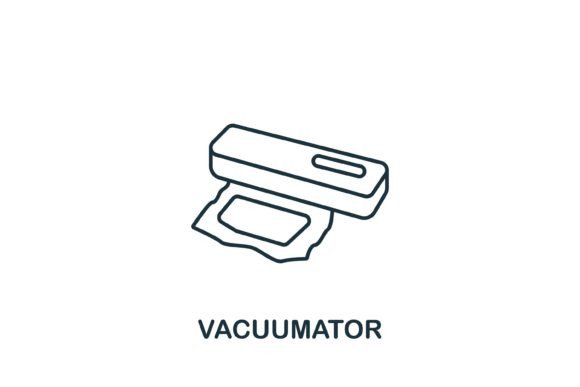
The Vacuumator Icon has a minimalist aesthetic that immediately feels fresh and modern. It’s a stylized vacuum cleaner rendered in a single line without any shading or complex details. The shape is balanced, the lines are smooth, and there's a subtle sense of motion that makes it feel dynamic rather than static.
This kind of visual personality suits tech-themed projects, eco-conscious branding, or anything with a clean, contemporary vibe. If you're designing for a boutique that focuses on home gadgets, sustainability, or smart living, this icon could serve as a strong brand identifier. But more importantly, its simplicity suggests good scalability—both large and small, which is key when choosing an icon for embroidery.
What It Says Visually
The mood created by Vacuumator Icon is professional yet approachable. It doesn’t scream “high-tech,” but it does imply innovation and efficiency. That duality makes it versatile—it can be used on a personalized gift like a baby blanket or as part of a commercial embroidery project for a product line aimed at young professionals.
I imagine it working particularly well in sweatshirt embroidery or tote bag design, where bold, readable symbols are needed without overwhelming the viewer. Its lack of intricate details also means it won't get lost in stitch translation. This is something many vector-based icons struggle with when converted into embroidery files.
Real-World Performance: What Works and What Doesn’t
Let’s say you’re preparing a custom embroidered tote bag for your craft business. You want the design to pop but remain subtle enough for everyday use. Vacuumator Icon fits that brief nicely if used appropriately. Its line-based structure lends itself well to running stitch or even satiny outlines, depending on how you edit the file.
- Custom Apparel: On t-shirts or sweatshirts, especially those with a casual fit, the icon maintains clarity. Just make sure thread colors contrast well against the fabric background.
- Baby Clothes & Nursery Decor: For these uses, the design should be simplified further. Maybe add a soft fill stitch in pastel tones to give it a more gentle appearance.
- Patches and Caps: Here, the icon might need some reinforcement. Line-only elements can sometimes look too sparse when applied to textured materials like felt or denim. Consider adding a solid center or a border for better visibility.
- Kitchen Towels and Pillow Covers: These items often require durable stitching. Since the icon lacks dense areas, it may not hold up well under frequent washing unless you add stabilizer and reinforce critical points.
When to Use It Carefully
While the Vacuumator Icon is a great starting point, there are scenarios where you’ll want to tread carefully:
- Small Hoop Sizes: Because it's a line drawing, it could lose definition when shrunk too much. Always test it on scrap fabric before committing to production.
- Textured or Stretchy Fabrics: These can distort the delicate curves of the icon. If you're working with stretch knits or flannel, adjust the stitch density accordingly.
- Dark Fabric Backgrounds: The default black lines may not show up well. Try using white or light-colored thread to maintain visibility.
- Products with Curved Surfaces: On caps or curved patches, the alignment of the lines might shift. Make sure your embroidery software allows for distortion correction.
Design Impact: Visual Appeal and Branding Value
One of the strengths of Vacuumator Icon is its ability to enhance product value subtly. It adds a touch of sophistication without being flashy, making it ideal for handmade products that rely on clean aesthetics to attract buyers.
In terms of customer trust, the icon conveys professionalism. Whether it's part of a commercial embroidery run or a personal holiday gift, users will likely perceive it as intentional and well-crafted. That’s important for Etsy sellers and small shop product creators who want their items to stand out with minimal visual clutter.
However, don’t assume it will resonate with everyone. In niche markets like vintage-inspired fashion or rustic farmhouse décor, this icon may feel out of place. It’s a digital-age symbol and best suited for modern, urban, or tech-forward brands.
Stitch Clarity and Presentation
Because it’s a line-based graphic, the stitch clarity depends heavily on how you convert it into an embroidery file. When done right, it looks crisp and sharp—perfect for embroidered patches or design assets that need to appear polished in both physical and digital formats.
For digital embroidery files, I recommend testing it in a black-and-white mockup first. This helps determine whether the design will read clearly once translated into stitches. Also, compare how it looks on light versus dark backgrounds to ensure it meets your brand consistency goals.
Designer Notes: Tips for Using Vacuumator Icon Effectively
Here are some practical tips I've picked up while integrating similar icons into real-world embroidery projects:
- Test on Scrap Fabric: Before sewing it onto your final product, run a test piece. This helps catch issues with stitch flow and overall appearance.
- Adjust Stitch Density: Especially if you plan to apply it to thick or thin fabrics. Too loose, and it may look faded; too tight, and it risks distorting the lines.
- Use Proper Stabilizer: To keep the design from puckering or stretching during the stitching process. Light tear-away or cut-away stabilizers work best here.
- Check Thread Color Contrast: Don’t just go with the default color. Think about how it will interact with the fabric and other design elements around it.
- Confirm Licensing: If you're planning to sell finished items or include it in digital product previews, always verify that the licensing allows for commercial use.
Also, consider how it interacts with other design components. Is it part of a larger logo set? Will it be paired with text in tiny lettering? These are all questions to ask before finalizing your embroidery project.
Best Uses for Vacuumator Icon
After evaluating it across several applications, I believe Vacuumator Icon shines brightest in the following contexts:
- Printable Mockups: As a placeholder for web listings or client presentations. It looks professional and easy to modify.
- Caps and Hats: When paired with a solid-colored backing or a small border, it becomes a standout detail.
- Apparel Decorators’ Collections: Especially for trendy pieces like unisex hoodies or gym bags where a minimalist icon adds character without overpowering the style.
- Infographic-Based Products: Such as educational kits or children’s learning tools where the icon serves as a visual shorthand for cleaning or technology themes.
Final Thoughts: A Solid Addition to Your Design Toolkit
The Vacuumator Icon isn’t going to win any awards for intricacy, but that’s not what it’s designed for. It’s a no-nonsense symbol that communicates efficiently and adapts well to different embroidery techniques and surfaces.
Its strength lies in its simplicity. It avoids the pitfalls of overcomplicated graphics that don’t translate well into embroidery. However, that same simplicity requires thoughtful application—especially when considering fabric type, hoop size, and stitch method.
If you're an embroidery designer looking for a clean, modern icon that adds a touch of personality without demanding excessive resources, Vacuumator Icon is worth a try. Just remember to tailor it to your specific needs and test thoroughly. After all, the goal is to create a finished product that looks great and lasts long—whether it’s a personalized gift or a commercial embroidery asset for your growing craft business.