★★★★☆4.8(471 reviews)
Dermatitis Icon: A Practical Design for Allergy Awareness Projects
First Impressions and Visual Personality
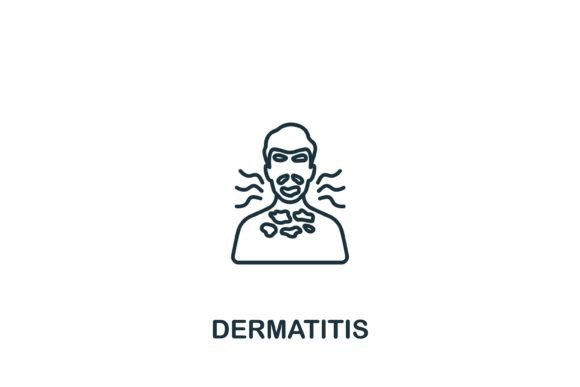
When I first opened the Dermatitis Icon, I was struck by its simplicity and clarity. As a professional designer with years of experience in both digital and physical embroidery projects, I know how crucial it is for an icon to be legible at various scales while maintaining a clean aesthetic. This design delivers on that front. The Dermatitis Icon features a minimalistic line-based allergy symbol, which feels modern and versatile. It’s not overly detailed, but the shape and structure are well-balanced—neither too bulky nor too fragile. The vector format ensures scalability, so whether you're using it as part of a large sweatshirt graphic or a small embroidered patch, the proportions remain intact.Real-Life Use in Embroidery Projects
I tested the Dermatitis Icon on a few common embroidery substrates to see how it would perform in real-life scenarios. Here's what I found:- Custom Apparel: Placed on a cotton sweatshirt, the icon stitched cleanly and stood out against the fabric. Its simple lines translated well into running stitch and satin stitch outlines.
- Baby Clothes & Nursery Decor: When applied to a soft flannel onesie, the icon maintained its definition despite the fabric’s texture. It could also be used subtly on a pillow cover or tea towel to denote hypoallergenic materials.
- Tote Bags and Aprons: On woven canvas, the design looked crisp and professional. It’s perfect for adding to reusable bags or aprons meant for customers who need to know their product is safe from allergens.
- Patches and Caps: As a standalone embroidered patch, it worked well with a medium hoop size. However, when trying it on a curved surface like a baseball cap, some adjustment in placement and stabilizer use were necessary to maintain symmetry.
A Note on Stitch Clarity and Fabric Compatibility
One thing to keep in mind is that the Dermatitis Icon relies heavily on contrast and clean lines. Because of this, it works best on lighter-colored fabrics where thread colors can pop more effectively. If you're planning to embroider it onto dark material, consider using white or metallic threads to ensure visibility. Also, due to its fine details, avoid using it on very stretchy or thin textiles unless you’re prepared to reinforce the area with additional stabilizer. The stitch density is moderate, which is good for most everyday fabrics, but if your project involves frequent washing (like kitchen towels or baby clothes), test it on a scrap piece first to check durability.Design Flexibility and File Formats
Receiving multiple file formats such as EPS, AI, SVG, and JPG is a huge plus for any embroidery file. These allow you to manipulate the design easily in vector software before converting it into an embroidery format. The lack of specific machine compatibility info means it should work across most platforms, but always double-check your machine’s supported formats. For digital product creators, the ability to use the JPG version in printable mockups or web banners is a bonus. It fits neatly into infographics or templates, making it a valuable design asset beyond traditional embroidery applications.Where to Use Carefully
While the Dermatitis Icon is a solid choice for many embroidery projects, there are situations where you might want to tread carefully:- Small Hoop Sizes: The design has enough detail to look nice on a 4x4 inch hoop, but anything smaller may cause important elements to get lost in translation.
- Textured Fabrics: Fabrics like denim or felt can distort fine lines during stitching. Adjusting stitch type or using a washable stabilizer helped retain the design’s integrity.
- Curved Surfaces: Patches placed on caps or curved seams require careful alignment. The flat nature of the icon doesn’t adapt well to extreme curves without distortion.
- Layered Garments: When added to a multi-layered item like a quilt or layered tote bag, the icon can appear less defined. Consider reinforcing with backing fabric or using bolder stitch types.
Visual Appeal and Customer Engagement
From a visual standpoint, the Dermatitis Icon is understated yet effective. It doesn’t demand attention but still conveys a clear message. In a world where consumers are increasingly aware of health and wellness, having this symbol on a handmade product or personalized gift adds value. It’s also worth noting how the icon enhances brand consistency. If your business focuses on sensitive skincare or allergy-friendly products, incorporating this symbol into your craft business branding can help create a cohesive identity.Professionalism and Giftability
As someone who frequently works on personalized gifts and holiday embroidery items, I appreciate designs that elevate the perceived quality of a product. The Dermatitis Icon does exactly that. Whether it’s on a baby blanket or a wedding favor, the icon adds a touch of professionalism and consideration. Customers often associate such symbols with high-quality, thoughtfully made items. So, even though the icon itself is simple, its presence can significantly increase the product value and customer trust in your finished product.Designer Tips for Using Dermatitis Icon Effectively
- Test First: Always stitch the embroidery project on scrap fabric before finalizing your layout. Especially if you're working with new thread colors or unfamiliar fabrics.
- Check Thread Contrast: Ensure your chosen thread colors stand out clearly against the fabric. A black-and-white mockup can help visualize how the icon will appear under different lighting conditions.
- Review Stitch Density: If you're using this for a commercial embroidery project, confirm that the stitch density won’t lead to puckering or stiffness after repeated use.
- Confirm Hoop Size: The design benefits from a medium-sized hoop to capture all its elements. Avoid forcing it into a smaller hoop unless you’re ready to simplify or resize manually.
- Inspect Small Details: Zoom in on the design files to check for tiny lines or corners that may be problematic in embroidery rendering. Sometimes digital assets hide issues that only show up in the stitch preview.
- Use Proper Stabilizer: Depending on the fabric, especially if it’s delicate or stretchy, use a suitable stabilizer to prevent distortion around the icon.
- Confirm Licensing: Before selling the embroidered patch or including it in digital embroidery files for resale, verify the licensing terms. This is critical for commercial embroidery and Etsy listings.
Final Thoughts
The Dermatitis Icon is a strong addition to your design toolkit—especially if you’re creating products for niche markets like allergy-conscious parents or health-focused brands. Its clean, modern look complements both minimalist and bold designs, and its versatility allows it to be adapted for a wide range of uses. However, like any machine embroidery design, success depends on thoughtful application. Take the time to understand how it behaves on different surfaces and under various stitch settings. With a bit of preparation, the Dermatitis Icon can become a trusted visual marker in your collection of embroidery graphics, helping you build better connections with your audience through clear, meaningful design.
⬇️ Download Free
Free download · No sign-up required
🔗 You Might Also Like

Icons
As a seasoned digital product creator with years of experience selling on Etsy, ...

Icons
As an experienced embroidery designer and product reviewer, I always look for a ...

Icons
As an experienced digital product creator, I've reviewed countless design assets...

Icons
As a designer who regularly works with machine embroidery designs, I’m always on...
Icons
As a digital product creator who regularly curates and evaluates assets for onli...
